
Login/Register
Santiago Airport: a Concession Tested by Crisis and Institutional Rebalancing
Rodolfo Echeverria
July 1, 2026
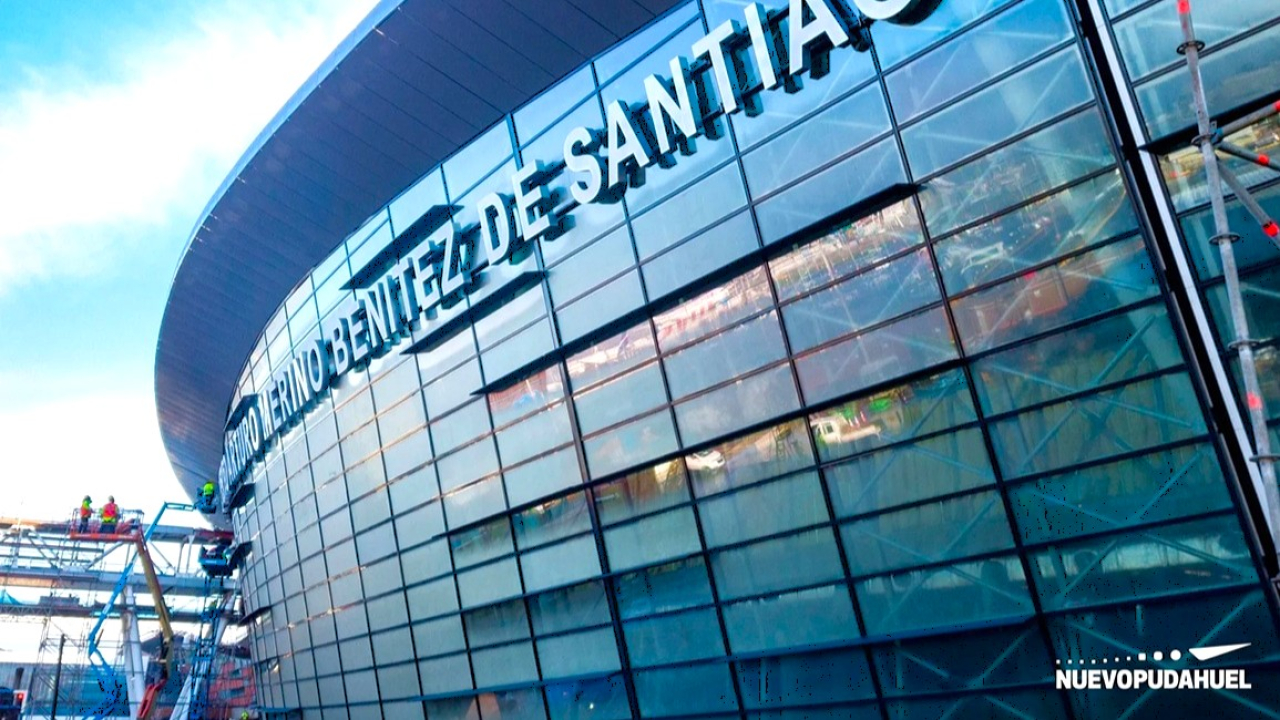
A contract termination was avoided through arbitration.
© Nuevo Pudahuel
Arturo Merino Benítez International Airport (SCL), sometimes called AMB, is the main international airport serving Santiago, the capital of Chile. It has become one of Latin America’s most instructive airport concession case studies, combining a major terminal expansion, an unusually aggressive revenue-sharing structure, and a severe pandemic shock.
More recently, an institutional agreement that extended the contract also closed a long dispute between the public and private sectors.
The concession was won by Sociedad Concesionaria Nuevo Pudahuel S.A., whose shareholders are Groupe ADP, VINCI Airports and Astaldi Concessioni (later absorbed into Webuild). The contract was awarded by Chile’s Ministry of Public Works (Ministerio de Obras Públicas, or MOP) in the mid-2010s for a term of roughly two decades. Its scope was broad: a new international terminal, remodeling of the existing domestic terminal, apron and taxiway works, parking, service buildings, and modern passenger-processing systems.
The investment transformed Chile’s main gateway. Over about a decade, SCL expanded its built footprint several-fold, added the new international Terminal 2, modernized Terminal 1 for domestic flights, and more than doubled its boarding gates. The airport also added thousands of parking spaces, new bus terminals, and a renewed commercial and food and beverage (F&B) offer. For passengers and airlines, the result was a substantially larger and more modern gateway for Chile.
Revenue-sharing Gamble and Pandemic Shock
Yet SCL also illustrates the risks of airport PPPs when demand collapses during a heavy investment cycle. Nuevo Pudahuel’s winning bid included a very high revenue-sharing commitment to the Chilean state: well over 75% of concession revenues – far above the next-closest offer.
That structure was attractive during a time of traffic growth, but it proved punishing when COVID19 severely reduced passenger volumes while the concessionaire was still carrying out major construction and financing obligations. In effect, the concessionaire absorbed the weight of a demand shock that no bidder had priced in.
The financial stress was significant. Nuevo Pudahuel reported historic losses in the hundreds of millions of dollars linked to the pandemic period, driven largely by a write-off of the concession’s intangible value. A subsequent dispute with the MOP moved through Chile’s concession dispute-resolution framework and was also connected to an international arbitration initiated by the shareholders.
Why the 2026 Agreement Matters for Airport PPPs
The resulting agreement is an instructive chapter in the concession’s evolution. Formalized in 2026, following an arbitral ruling issued in 2024, it extended the concession by three years to 2038, and temporarily eased the revenue-sharing formula in the concessionaire’s favor during the extension. It also provided for closure of the national dispute and withdrawal of international arbitration. Crucially, neither party treated the crisis as grounds to unwind the contract; the remedy was contractual, not confrontational.
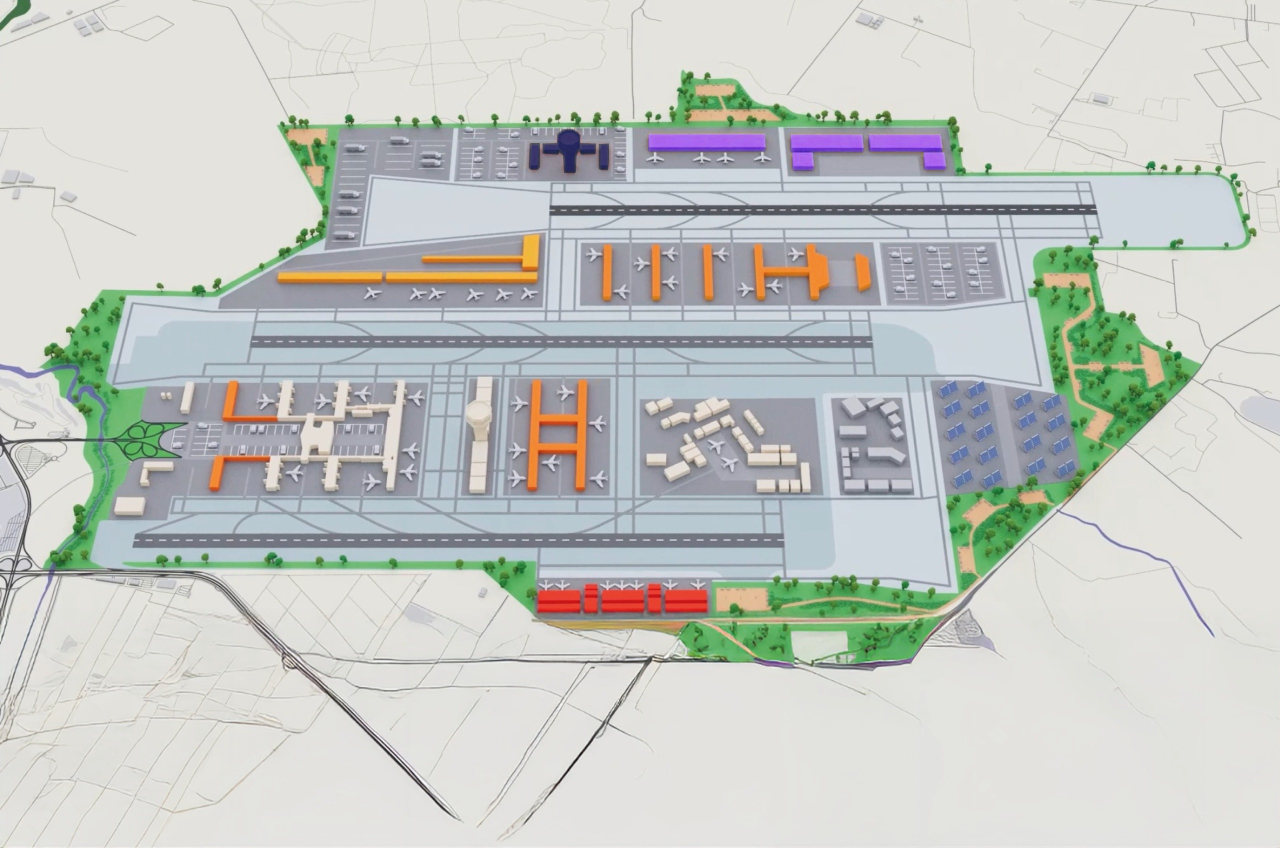
A possible design for SCL's three-runway expansion.
© MOP
For airport professionals, this matters because it shows the value of institutional mechanisms in restoring balance without dismantling the concession. Chile did not abandon the PPP model, and Nuevo Pudahuel did not walk away from the airport. Instead, the parties used arbitration, technical review and negotiation to preserve continuity at the country’s most important air-transport asset.
Capacity Ambitions
The next challenge is capacity. MOP has presented a long-term vision to expand SCL toward mid-century, including a third passenger terminal, a third runway, a new cargo area and improved landside access. Earlier planning pointed to roughly tripling capacity, a scale that would place SCL among the region’s largest hubs while raising hard questions about sequencing and affordability.
In the near term, the focus shifts to execution. The rebalanced concession now runs to 2038 under a temporarily adjusted revenue split, giving both sides a defined window to restore the contract’s economics.
The masterplan work to define the long-term expansion is already under way, with cargo capacity among the more pressing priorities. The open question is less about whether SCL grows than about how the third terminal, third runway, and cargo works are financed and phased, and whether the next commercial framework carries forward the hard lessons of the pandemic cycle.