
Login/Register
Opinion: The Human Side of Airport Infrastructure Investment
Sev Fevzi
July 29, 2026
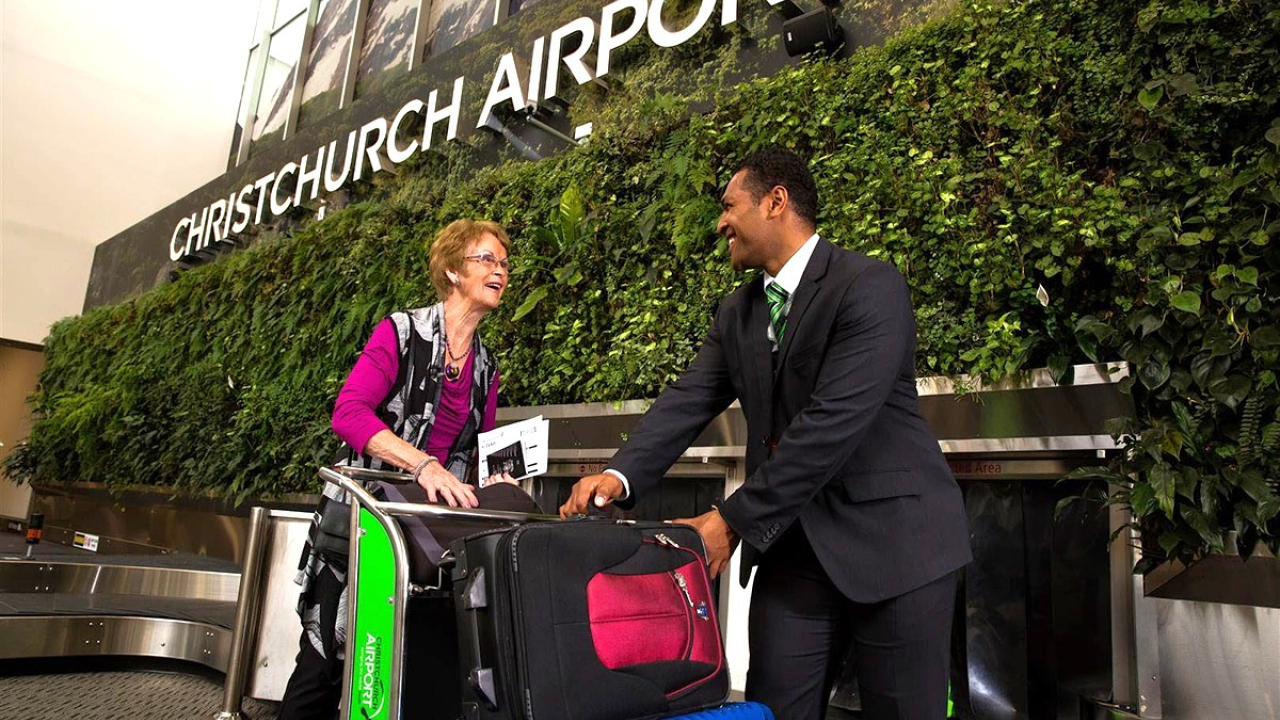
Human interaction should never be underestimated in stressful airport environments.
© Christchurch Airport
For decades, airports around the world have been investing billions in new terminals, infrastructure expansions, technology, and automation to accommodate rising passenger demand and prepare for the future.
These investments are essential to support growth, improve capacity, enhance operational efficiency, and create opportunities to deliver a better passenger experience. This has become an important KPI at many airports.
Critically, however, there is one aspect of infrastructure investment that is sometimes overlooked. Passengers don't experience infrastructure on its own. They experience it through the people who bring it to life.
A beautifully designed terminal can still feel confusing if passengers receive inconsistent directions. A new self-service process can create anxiety if employees aren't equipped to support those who need assistance. Even the most advanced technology relies on people to explain it, build confidence in using it, and step in when something doesn't go as planned.
Infrastructure creates the capability. People determine how that capability is experienced.
Moving Beyond the Physical Asset
As airports continue to modernize, perhaps it is time to ask whether infrastructure investment should extend beyond the physical asset itself. Alongside capital investment, shouldn't investors also be investing in operational readiness, organizational readiness, and human readiness?
This isn't simply about customer service training.
Today's passenger journey is delivered by hundreds, sometimes thousands, of people representing different organizations. Airport operators, airlines, security agencies, ground handlers, retailers, cleaners, accessibility providers and many others each contribute to the overall experience.
To passengers, however, these organizations are largely invisible. They experience one airport, not dozens of individual organizations.
This means that even when new infrastructure is delivered successfully, the passenger experience can still vary significantly if the people responsible for delivering it are not working towards the same objective.
Thinking in Alignment
Some of the most successful airport projects I've been involved in have recognized this early. Alongside planning physical spaces and operational processes, equal attention has been given to preparing the people who will ultimately deliver the experience.
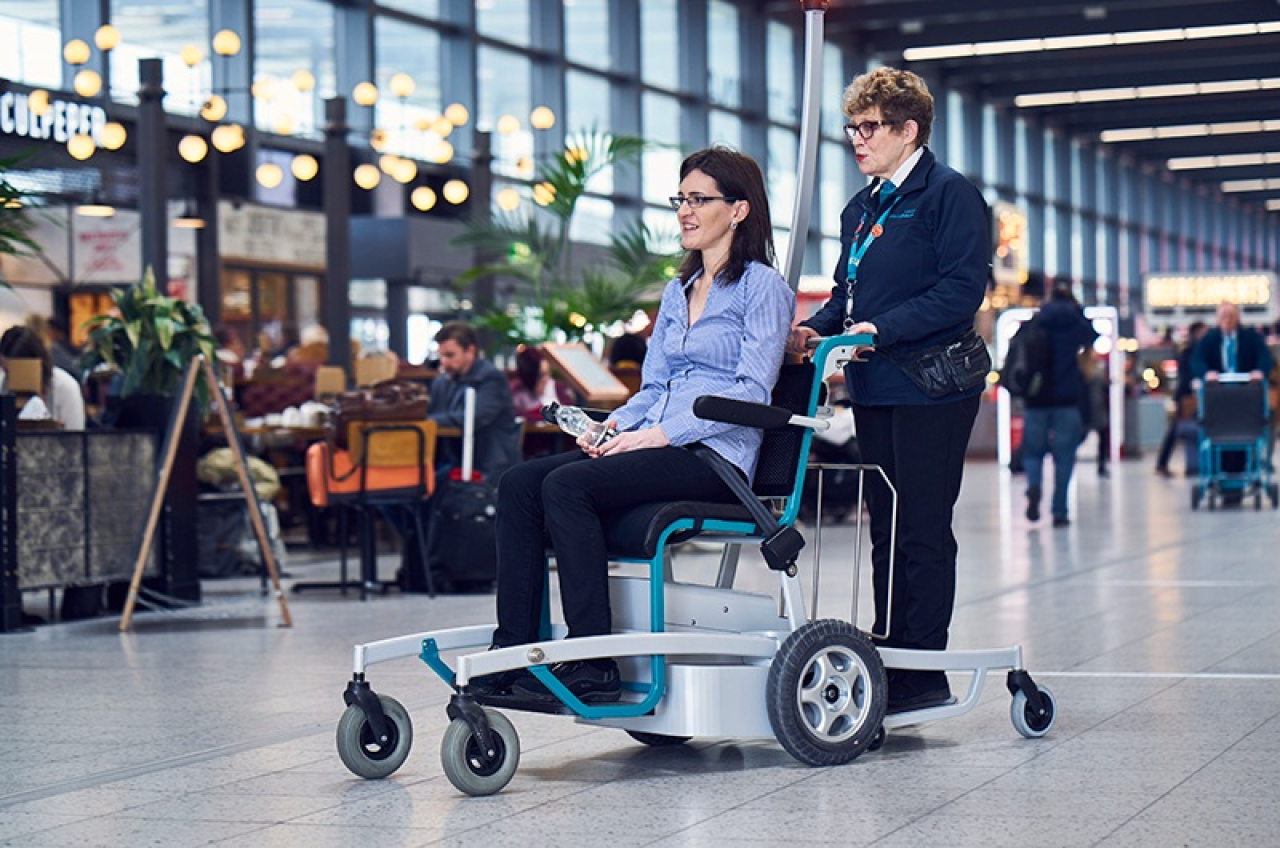
Service elements go hand-in-hand with infrastructure.
© Gatwick Airport
Thinking in Alignment
Some of the most successful airport projects I've been involved in have recognized this early. Alongside planning physical spaces and operational processes, equal attention has been given to preparing the people who will ultimately deliver the experience.
This includes developing a shared service culture, aligning stakeholders around common customer and employee experience objectives, enabling frontline employees to solve problems with confidence, and preparing the entire airport community for change, whilst being supported by leadership and the behind-the-scenes colleagues.
I often think of this as service activation. Just as infrastructure is commissioned before opening day, the passenger experience should be activated through people.
These investments may not appear on a terminal map or in a construction schedule—they are often the difference between infrastructure that functions and infrastructure that genuinely improves the passenger journey.
This is becoming increasingly important as airports become more complex. New technologies, changing passenger expectations, accessibility requirements and evolving models all require employees to do more than simply follow procedures. They need to understand the purpose behind new investments and how their role contributes to making those investments successful.
Humans Bring Systems to Life
Infrastructure projects routinely include commissioning, operational trials, and systems testing before opening. Commissioning ensures the building works. Human readiness ensures the airport works.
Perhaps it is time we gave increasing—and equal—attention to preparing the people who will bring those systems and spaces to life. After all, a new facility doesn't deliver hospitality. A digital solution doesn't create confidence. An accessible facility doesn't automatically guarantee an accessible experience.
People do. And not just people. The culture of the organization does. The alignment between stakeholders does. The confidence employees have to act does. Infrastructure investment and customer/employee experience are not separate conversations.
Organizational readiness is the bridge between the two.
As our industry continues to invest in the airports of tomorrow, perhaps the most valuable investment isn't choosing between infrastructure and people, but recognizing that they are inseparable. The best passenger experiences are created when exceptional infrastructure is matched by equally intentional investment in the people responsible for bringing it to life.
The true return on infrastructure investment is measured not only by what is built, but by how consistently people bring that investment to life every single day.