
Login/Register
Venezuela’s Airports and the Window for Private Capital
Gonzalo Ibarra
November 12, 2026
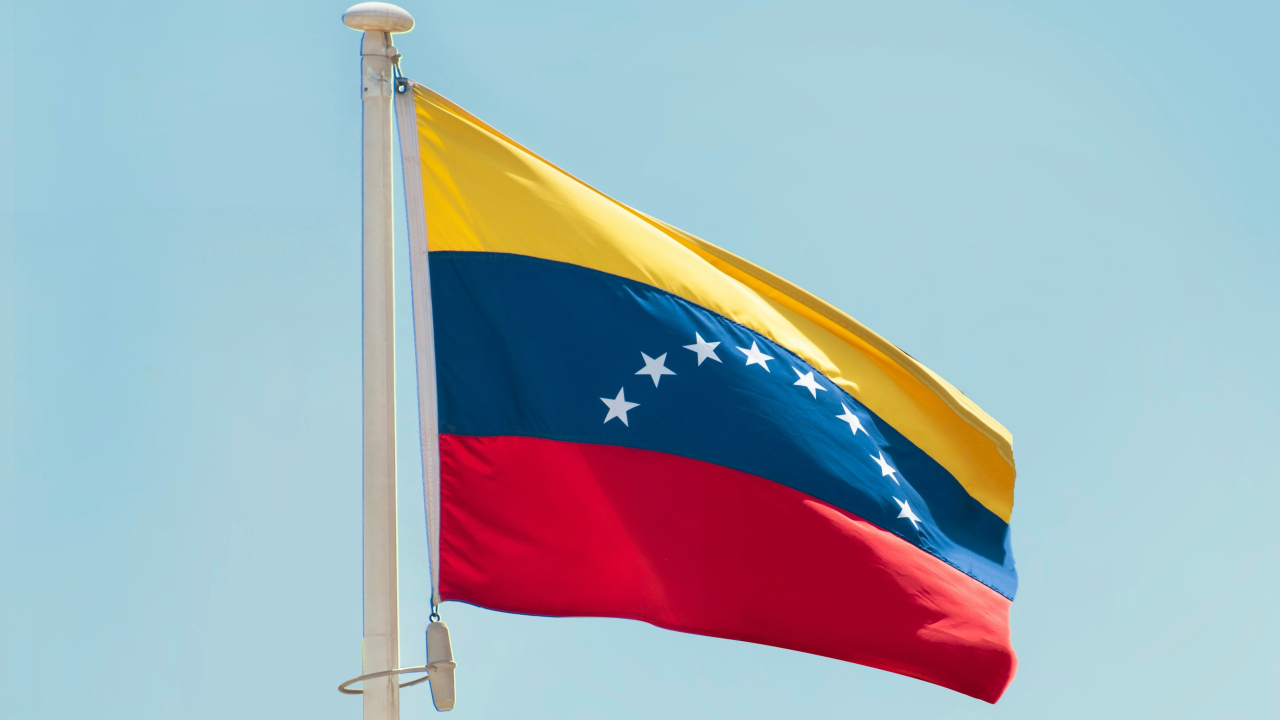
© Aboodi Vesakaran / Unsplash
Venezuela’s ‘transitional environment’ could open a compelling window for private investment in infrastructure. With oil majors expanding operations, international flights restarting, and the United States Office of Foreign Assets Control’s General License 30B clearing the path for U.S. participation in airport-related transactions, demand for modern airside and landside capacity is re-emerging.
No formal concession pipeline or government RFP has yet been published, but the combination of historical traffic peaks, clear capacity constraints, and renewed investor interest is drawing selective, high-level engagement—creating a first-mover opportunity for operators and investors prepared to underwrite both the recovery case and the institutional setting.
What Feels Different Now?
The atmosphere in the capital, Caracas, and other cities has changed. Foreign delegations are again visible in hotels and restaurants. Venezuelan entrepreneurs and professionals who built businesses abroad are examining ways to put capital and expertise back into the country.
Events such as the Venezuelan American Chamber of Commerce (VACC) sessions and private roundtables are surfacing concrete discussions about energy, logistics, and infrastructure. Oil-sector activity provides the clearest near-term focus: Chevron continues to scale, Hunt Oil and GeoPark have signed field-development agreements, and Halliburton and others are advancing service contracts. This is driving immediate demand for reliable fly-in/fly-out capacity, cargo handling for equipment, and executive travel.
The Key Airport Opportunities
Three airports concentrate more than 75% of the country’s traffic: Maiquetía "Simón Bolívar" International Airport (CCS) serving Caracas; Santiago Mariño Airport (PMV); and La Chinita (MAR).
CCS is the largest airport and the country's main gateway. It has two paved runways and a full parallel taxiway. In 2014, passenger numbers peaked at 14 million, stressing apron and terminal capacity. The airport’s optimal terminal capacity remains in the 10-12 million range; however, a conservative 15-year doubling cycle observed in other Latin American energy and leisure markets would put pressure on the asset by the early-to-mid 2030s when traffic recovers toward or beyond the 2014 high.
Currently, structural rehabilitation of the main runway and other upgrades have been ongoing for more than 18 months. After the June 2026 earthquakes, further work continues, with the airport now operating from temporary terminals until the main international and domestic terminals are fully restored.
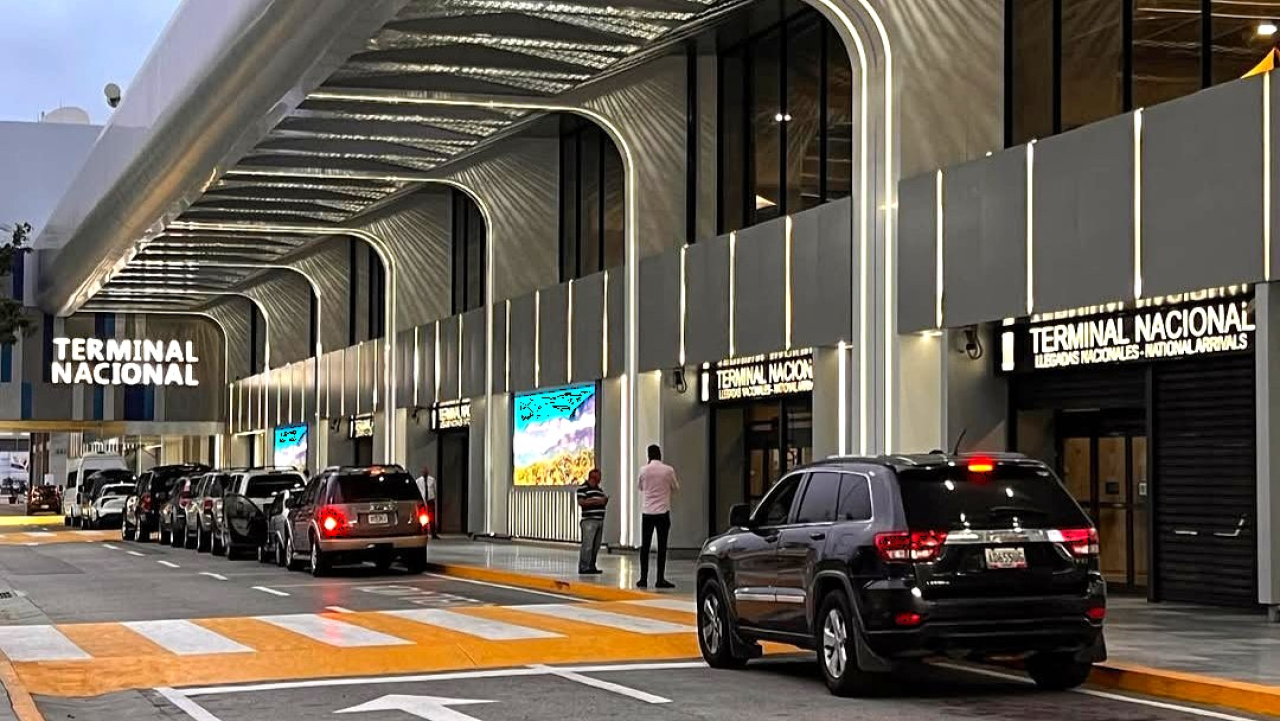
The main terminal at Maiquetía CCS.
© Erick M Rey / Unsplash
PMV on Margarita Island captures the leisure and charter upside. Its 2013 peak of about 3.8 million passengers was driven by European charters and duty-free traffic when its single primary runway and terminal were already struggling. Charter services to Lisbon, Poland and Argentina are ramping up for the current winter season, reinforcing the island’s role as a Caribbean leisure gateway. The returning charter activity supports a tourism-oriented strategic approach.
The airport is also the only one in Venezuela that has experience with a full private concession. In the mid-2000s, the Unique consortium (led by Flughafen Zürich) was awarded a long-term contract that included mostly the operation and management of the airport with some investment funded by the airport’s revenues, before the concession was reversed and the asset returned to state control.
MAR sits in Zulia State close to the country’s historical oil belt. The airport’s peak annual passenger count was around 2.8-3 million. Now, with western-basin production ramping up and U.S. operators rotating personnel and equipment, the asset is positioning itself as a fly-in/fly-out and heavy-lift node. The gateway is already served internationally by American Airlines, Copa, and Avianca, providing a healthy mix of business and VFR (visiting friends and relatives) traffic.
Selective Engagement, not Competitive Bidding
Across Venezuela’s commercial network, the capital needed for rehabilitation and expansion over 15 years could be in excess of USD5.8–7.9 billion. These are not committed projects, but rather the scale of investment required if traffic recovers along the trajectories seen in other similar recovery markets—and if private capital is invited to deliver it.
Investors and advisors report that the practical challenges—currency, banking, counterparties, and the need for trusted local partners—have not disappeared, even as the political opening and sanctions relief have improved. The most active participants are those combining international standards with deep local knowledge, often leveraging the Venezuelan diaspora’s experience rather than waiting for full institutional certainty.
For operators and investors experienced in recovery or energy-linked markets, the present moment is one of selective engagement rather than competitive bidding. Preliminary traffic work, master planning, engineering assessments, and draft term structures are circulating. The first-mover advantage, if it materializes, will belong to those who can underwrite both the demand case and the institutional risk before any formal process can be announced. The opportunity is open.