
Login/Register
Carney Prepares a Path For Privatizing Canada’s Top Four Airports
Kevin Rozario
September 16, 2026
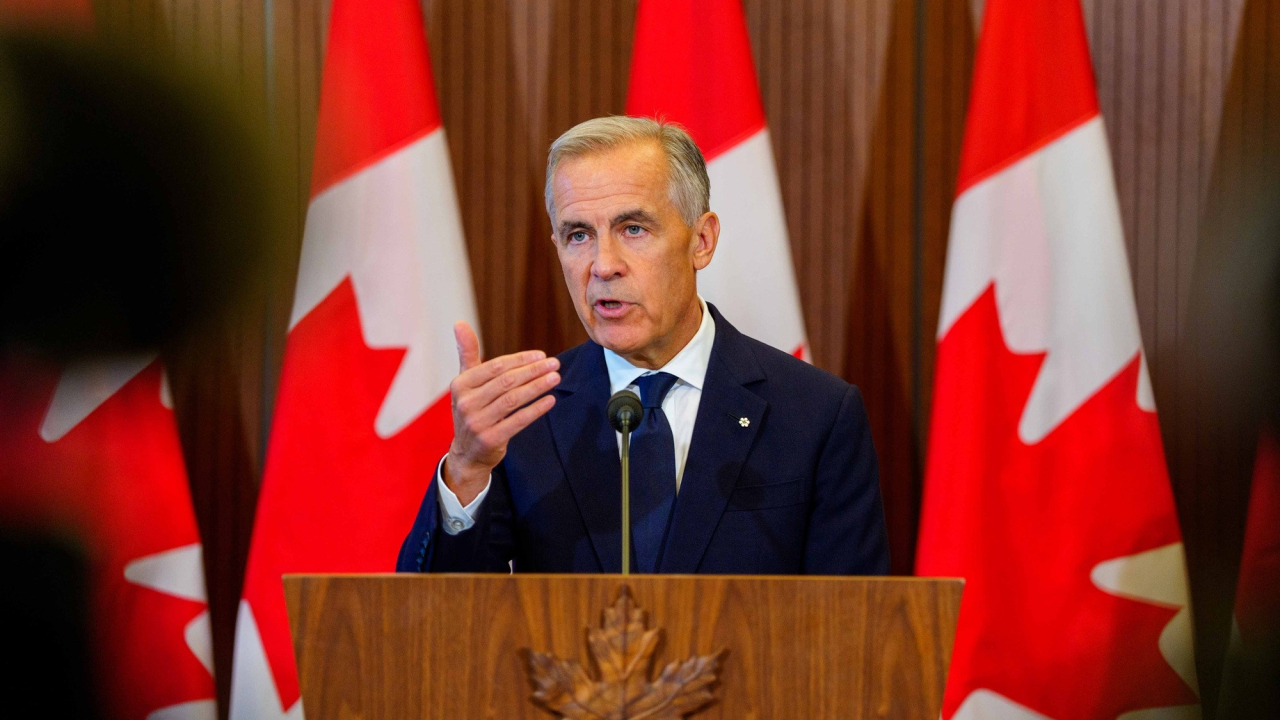
Carney said this week that the “tens of billions in capital that we raise” will be reinvested into “nation-building infrastructure.”
© Lars Hagberg / Prime Minister of Canada's Office
Canada, this week, set out firmer plans for airport privatization following on from the policy statement on airport investment issued by Transport Canada in March 2025 (covered in more detail by airportIR here). The latest announcement calls for the privatization of the country’s four busiest international airports: Toronto Pearson (YYZ), Vancouver (YVR), Montréal–Trudeau (YUL), and Calgary (YYC).
At the inaugural Canada Investment Summit—hosted by Prime Minister Mark Carney in partnership with the Canada Pension Plan Investment Board and the Public Sector Pension Investment Board, two of Canada’s largest institutional investors—Carney set out his vision for airport privatization.
Carney said: “We will seek long-term concessions to operate Canada’s four largest airports. Following best practice in other countries, the government of Canada will retain ownership of the underlying land and assets, but we will unlock their true value by bringing in new capital and expertise to their operations and their growth.”
The PM added that the “tens of billions in capital that we raise” will be reinvested into what he called “nation-building infrastructure” that Canada needs for the next generation. This will include a coast-to-coast sovereign broadband backbone. He expects the privatization plan will also boost travel connectivity at the local and regional level. “It will mean investing in regional airports, providing better and more affordable regional and remote air connections,” he said.
Canada’s own pension funds, some of which are big investors in overseas airports, are likely to be key investment contenders. Carney said: “Canadian pension funds already successfully invest in and manage airports around the world. It’s time to bring that same expertise back home.”
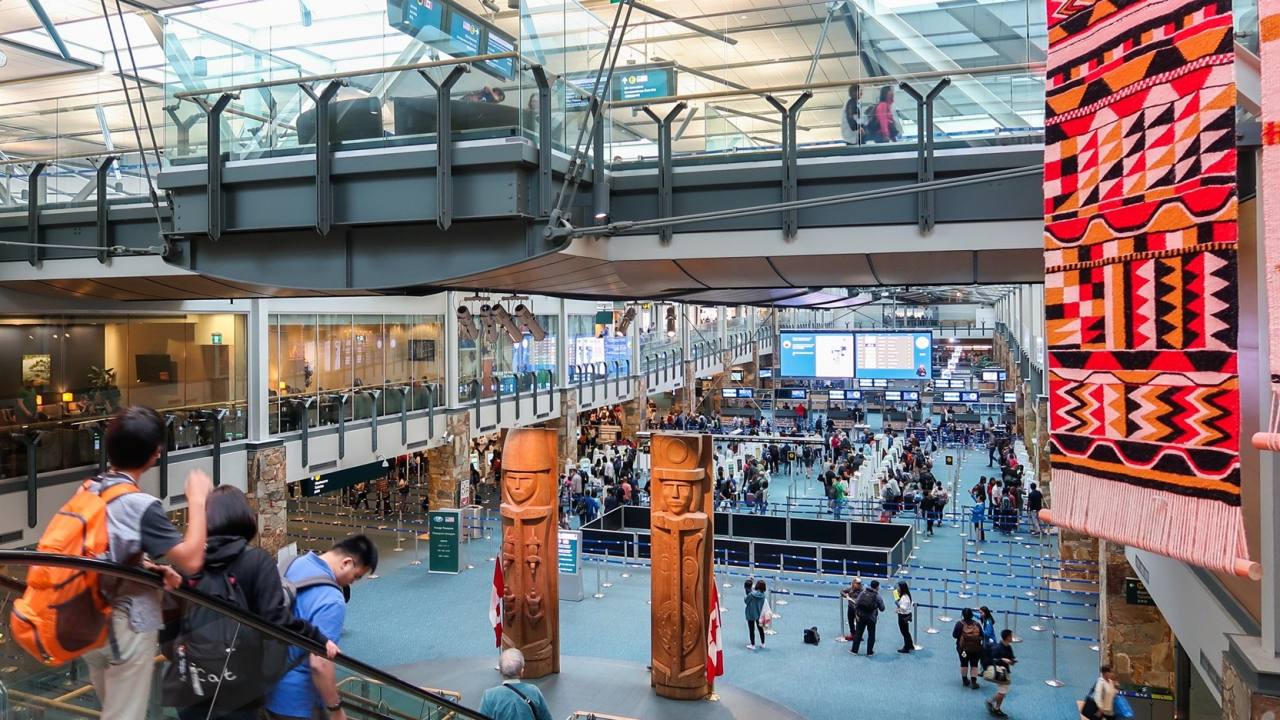
YVR is one of four airports earmarked for privatization.
© Wpcpey / Wikipedia
Pushing the Boundaries of the Existing Status Quo
Canada’s airports, while government-owned, are currently operated successfully as not-for-profit entities with a commercial lens. Under the new scenario for the ‘big four’, the state will retain ownership but hand off management and operations to private companies, in theory from anywhere in the world, via long leases. The government will receive billions of dollars from the operators, as defined in the lease agreements.
Labor unions are objecting to the move on the grounds that private operators will be more motivated by profit, and passengers might have to pay more. At the aviation workers union Unifor, Tammy Moore told CBC: “Companies will try and squeeze every dollar out.”
However, Canada’s top airports already operate under commercialized principles. YVR, for example, built a shopping center adjacent to it in a 50/50 joint venture with McArthurGlen Group. The project, set to expand in a third phase, brings extra retail revenue to the west-coast hub.
In a separate interview with CBC this week, Curtis Grad, CEO and Founding Partner of Modalis Infrastructure Partners (the owner of airportIR), said: “It’s early days, but we expect strong interest from the international community. Bringing in the private sector is the next evolution for Canadian airports in concessions ranging from 35-50 years. Realistically, I see the existing airport authorities as being part of the equation. While Canadian airports are well developed already, they need the capitalization, which, with private investment, will allow the Government of Canada to unlock and reinvest this equity to fund other priorities.”
Carney underlined the point that the money coming into Canadian coffers from airport privatization would benefit citizens via its new sovereign wealth fund. “Through the Canada Strong Fund, Canadians themselves will retain a stake in the future value that’s created,” he said.
[AirportIR will bring you a more detailed assessment of Canadian airport privatization soon.]