
Login/Register
Calls for Probe into Privatization of Manila Airport
Kevin Rozario
July 9, 2025
© NAIA Infra Corp.
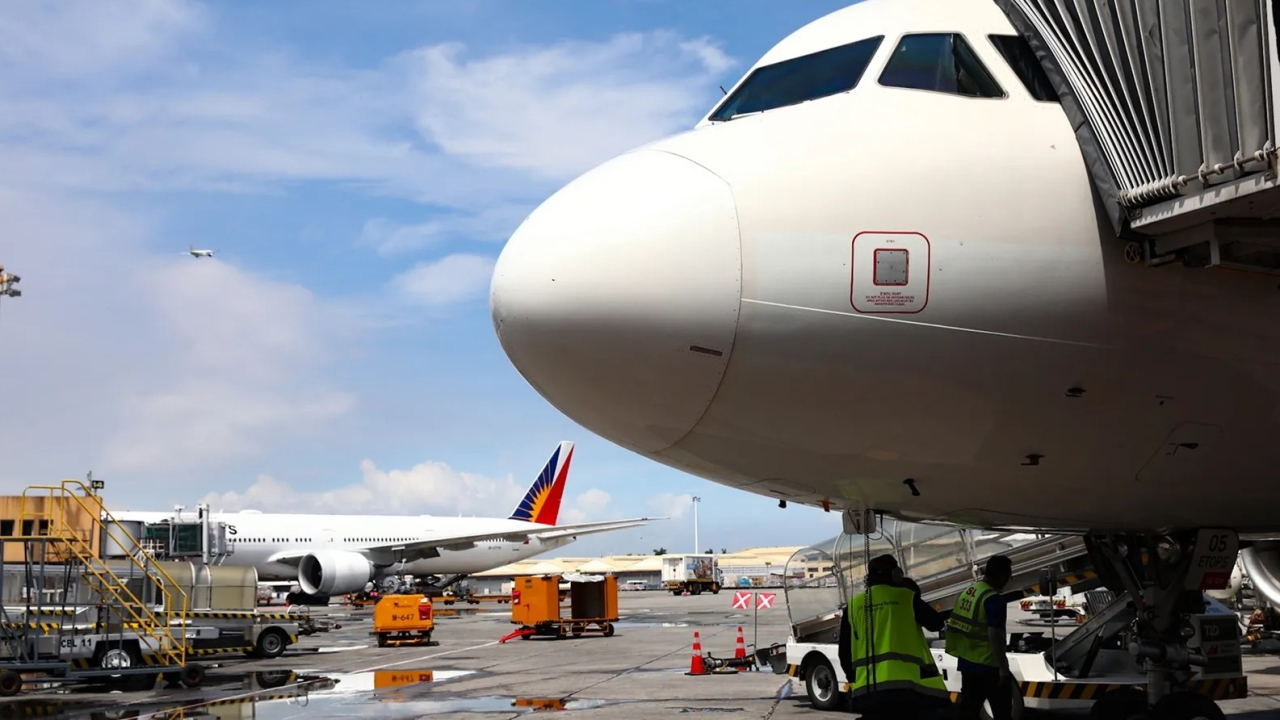
A left-leaning coalition in the Philippine House of Representatives has filed a resolution seeking a review of the privatization process of Manila’s Ninoy Aquino International Airport (MNL), the country’s largest airport, which handled more than 50 million passengers last year.
According to several national and local press reports, the resolution from the Makabayan bloc was filed on Monday, July 7. A section of it reads: “The purported issues in the NAIA public private partnership (PPP) project that span the fast-tracked approval of the proposal; irregularities in the submission of documents; limited timeline for the bidding process; non-consultative approval and implementation of airport fee increases; and cancellation of the procurement process, altogether warrant a close investigation on the privatization.”
One of the bloc’s key concerns is what it calls “a rise in the cost of goods and services as well as additional consumer charges” that will be borne by “ordinary people.” It claims that since the handover to New NAIA Infra Corp. (NNIC)—via the concession winner SMC-SAP & Co., a consortium led by Ramon Ang’s San Miguel Holdings Corp. along with South Korea’s Incheon International Airport Corp.—“parking fees and rental rates at the airport have surged dramatically.”
The PPP Center of the Philippines, a state institution that supports privatizations across multiple sectors, has not made an official statement about this latest resolution. The center coordinated MNL’s privatization, which concluded in February 2024 when the award was made, and which was lauded by the government. AirportIR covered the process and the award in detail here.
In May 2025, the PPP Center, through its Special Bids and Awards Committee (SBAC), cancelled the procurement activities for an independent consultant “for implementation monitoring of the NAIA PPP Project.” In a statement, the center said: “The SBAC has determined that the termination of the procurement for this project is warranted following the conduct of consultation with the end-user unit (and) the receipt of request from the Department of Transportation (DOTr) to cancel the procurement.”
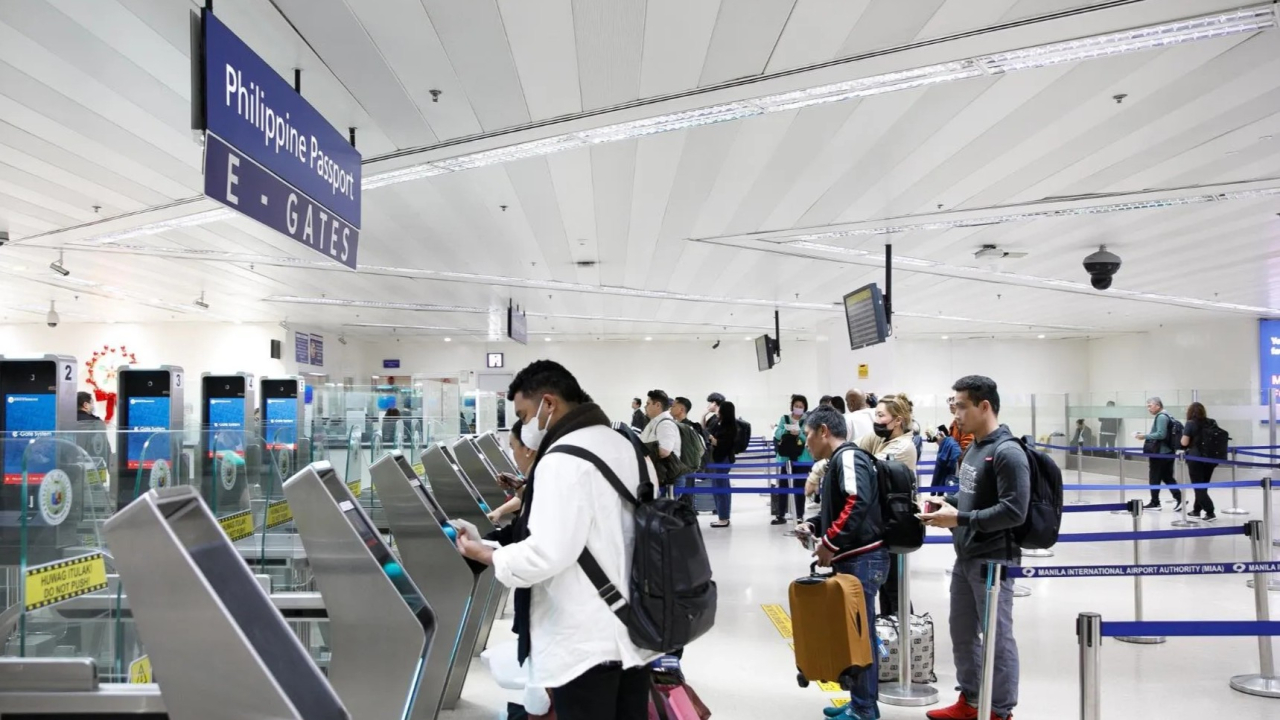
Returning Filipinos at passport e-gates.
© New NAIA Infra Corp.
Private Versus Public
The resolution appears to pit the concepts of public ownership of assets against private, profit-motivated management of assets, even though the MNL deal has a fixed concession period and the state retains ownership of the infrastructure.
The bloc was also concerned by the speed of the MNL privatization, which it claims was approved by the Department of Economy, Planning & Development in less than 50 days.
From the government’s side, the haste was likely due to an eagerness to get its privatization strategy moving. At the time of the handover, the Speaker of the House of Representatives, Ferdinand Martin G. Romualdez, said: “The rehabilitation and operation of NAIA under a PPP framework demonstrate the unwavering commitment of the administration of President Marcos, Jr. to fostering sustainable growth and innovation in our transportation infrastructure. This momentous occasion signals a new era of progress and efficiency for NAIA.”
Fee increases following the PPP are an issue for the general public, especially as overseas Filipino workers (OFWs) are a significant segment of travelers at MNL. While OFWs are exempted from paying terminal fees and some travel taxes, claiming refunds can be an onerous process.
NNIC took over operations at MNL on September 14, 2024, and is embarking on what it calls a “transformative upgrade” of the airport, which will eventually be able to serve 62 million passengers a year at its four terminals. Its winning bid promises the government an 82.16% revenue share, better than rival bidders. This translates to total projected government earnings exceeding P900 billion ($16 billion) if the current 15-year contract is extended via a 10-year extension.