
Login/Register
Hurghada PPP Sets the Tone for Egypt’s Airport Privatizations
Kevin Rozario
May 14, 2026
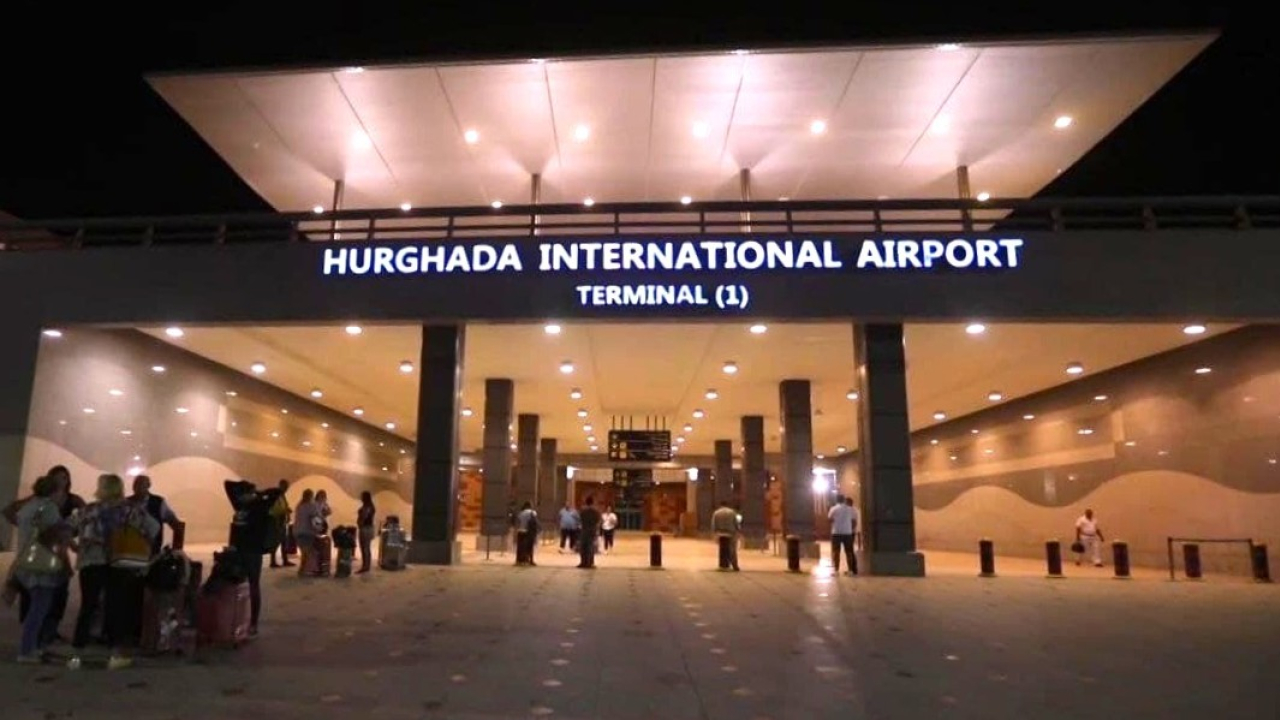
HRG is currently a two-terminal gateway but suffers from overcrowding in the summer season.
© MOCA
After post-pandemic announcements about Egyptian airport privatizations in 2022, airportIR reported on more concrete plans last summer, with Hurghada International Airport (HRG) first on the block.
The public-private privatization (PPP) strategy—tied to the country’s ambitions for tourism growth—has rolled into action. HRG is now in play and the outcome will fine-tune the pathway for the remaining ten airports slated for private operation in the country.
HRG, established in 1977, is a busy tourist-led gateway which in 2025 saw traffic soar by 18.5% to 11.4 million passengers. Most of them were heading to and from Red Sea resort areas such as El Gouna, Makadi Bay, and Sahl Hasheesh. Tourism made up 8.5% of Egypt’s GDP in 2024 and, last year, was forecast to stay roughly at the same level (8.6%) in 2025, based on research from the World Travel & Tourism Council (WTTC).
The WTTC expects that by 2035, tourism will contribute EGP2.1 trillion (USD39.7 billion) to Egypt’s national coffers, well ahead of the EGP1.4 trillion (USD26.5 billion) in 2024.
Extended Deadline
The HRG tender process started with the pre‑qualification and bidding phase for the long‑term PPP concession now underway. The World Bank’s International Finance Corporation (IFC) is leading the selection process in tandem with Egypt’s Ministry of Civil Aviation (MOCA). The PPP covers operations, management, and development of the Red Sea gateway.
The IFC said: “Private sector innovation and efficiency are expected to maximize revenue generation for the Egyptian government, improve airport infrastructure and efficiency, and attract more passengers.” MOCA launched the tender and invited bids on December 10, 2025, with a deadline of February 12 for the request for pre-qualification (RFQ). However, this has been extended (more below).
According to local media and MOCA, the initial invitation attracted the interest of 68 international companies and consortia. These entities had collected the terms of reference for the qualification stage, and the large number is a signal – perhaps – that the Egyptian aviation market is viewed as underdeveloped and poised for growth. Much, however, depends on regional volatility and whether strong tourism inflows can be developed successfully.
Below, airportIR looks at the prospects for HRG, and the Egyptian aviation and tourism markets more widely, and assesses the value to investors.
Investor Insights
Subscriber-only content. You must be signed in and have a subscription plan to view this information.
Not a member of airportIR?
Subscribers receive access to value-added content including the latest Deal Pipeline intel, in-depth feature articles and analysis, operator/investor profiles, industry insights, reports and much more.
What's Included
- In-depth deal pipeline content
- Feature articles and analysis
- Detailed operator/investor profiles
- Industry insights, reports and much more
Lorem ipsum dolor sit amet, consectetur adipiscing elit. Proin faucibus arcu et sem dapibus, faucibus viverra ex semper. Sed maximus urna quis lectus porta gravida. Sed enim sem, ullamcorper at tempor et, tincidunt eget purus. Etiam vitae iaculis dolor. Etiam commodo tempus turpis. Integer ac nunc ac leo facilisis tempus. Pellentesque quis sagittis diam. Fusce congue pulvinar interdum. Curabitur porta libero enim, ullamcorper condimentum diam accumsan quis. In tempor egestas risus, id congue nibh cursus in. Cras sollicitudin fermentum orci et eleifend.
Nam eget imperdiet risus, at luctus nulla. Nullam porttitor, est quis viverra fringilla, ipsum velit tincidunt massa, vel egestas lacus velit eget mauris. Proin finibus condimentum tellus, in commodo felis dapibus a. Curabitur luctus et sapien a dapibus. Mauris faucibus dapibus justo vitae varius. Proin quis mauris eros. Curabitur tincidunt feugiat dignissim.
Lorem ipsum dolor sit amet, consectetur adipiscing elit. Proin faucibus arcu et sem dapibus, faucibus viverra ex semper. Sed maximus urna quis lectus porta gravida. Sed enim sem, ullamcorper at tempor et, tincidunt eget purus. Etiam vitae iaculis dolor. Etiam commodo tempus turpis. Integer ac nunc ac leo facilisis tempus.